15 AI Solutions for Automating Revenue Operations in 2026

Alex Zlotko
CEO at Forecastio
Introduction
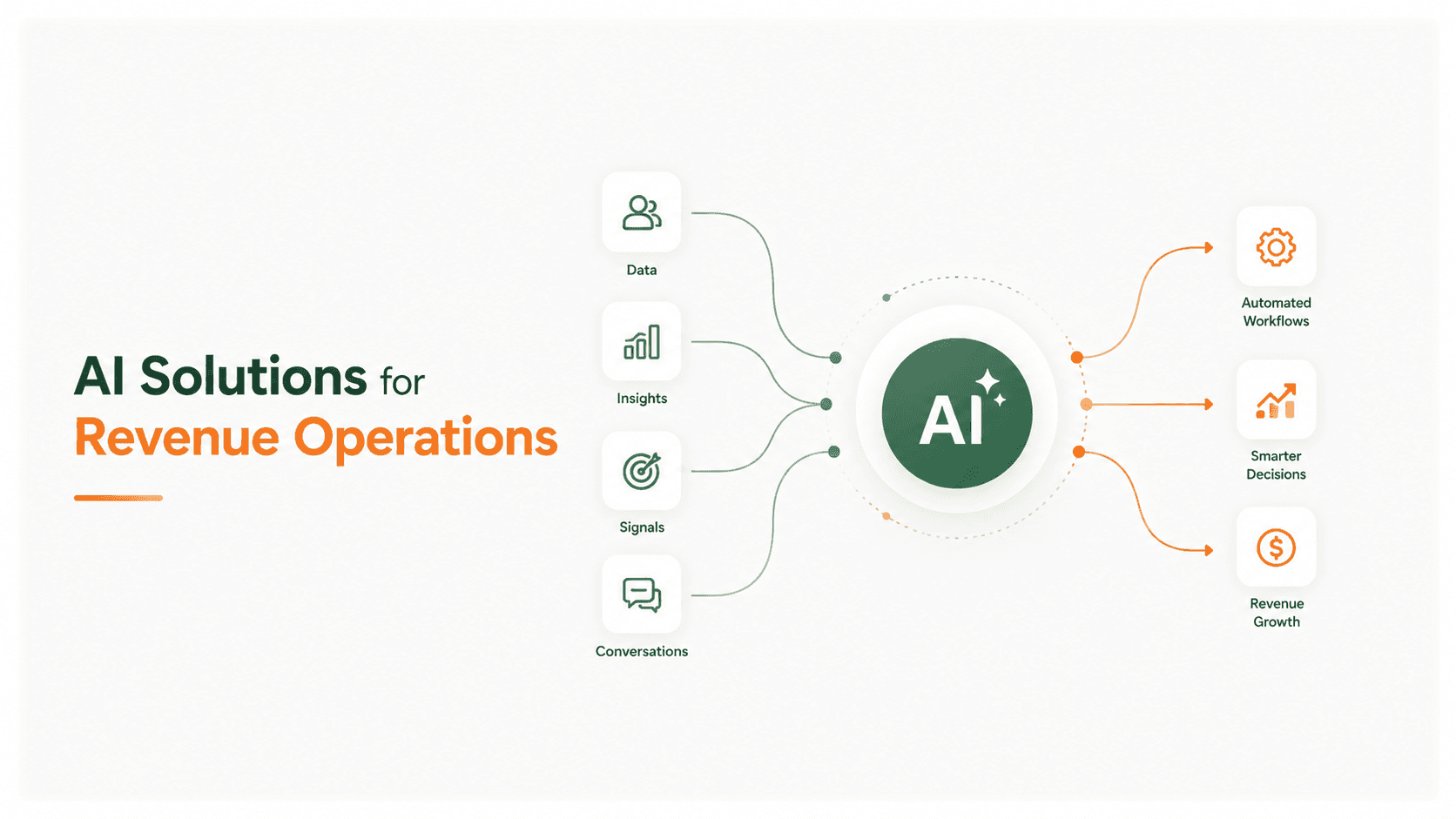
Artificial intelligence is rapidly changing how companies manage revenue operations. Instead of relying on spreadsheets, manual reporting, and disconnected tools, modern organizations are using AI Solutions for Automating Revenue Operations to improve visibility, automate repetitive work, and make faster decisions.
Today's revenue operations teams are responsible for aligning sales, marketing, and customer success activities across the entire revenue lifecycle. However, managing large amounts of data across multiple platforms can be challenging. Poor data quality, manual data entry, and data silos often make it difficult to maintain accurate forecasts, track performance, and identify growth opportunities.
This is where AI software for Revenue Operations can help. Modern platforms can analyze historical data, monitor sales in real time, automate routine tasks, and deliver actionable insights to revenue leaders. Many solutions use predictive analytics and AI agents to improve forecast accuracy, optimize pipeline management, and support better decision-making.
In this guide, we review the best AI tools for revenue operations in 2026. We'll explore their capabilities, strengths, limitations, and ideal use cases to help you choose the right platform for your business.
What Are AI Solutions for Automating Revenue Operations?
AI Solutions for Automating Revenue Operations are software platforms that use artificial intelligence to automate and improve revenue-related processes. They help companies analyze data, identify risks, automate repetitive tasks, and make better decisions across sales, marketing, and customer success.
Common use cases include:
Sales forecasting
Lead scoring
Deal risk detection
Activity tracking
Revenue analytics
Workflow automation
Customer retention monitoring
Most tools integrate with CRM platforms and other business applications to create a centralized view of revenue performance.
Many modern platforms also include AI agents that proactively identify issues, recommend actions, automate operations, and help teams improve results.
How AI Is Transforming Revenue Operations
Artificial intelligence is changing how companies manage growth, forecast revenue, and execute go-to-market strategies. Instead of relying on spreadsheets and manual reporting, teams can use AI powered tools to analyze large volumes of data and surface opportunities faster.
Today, AI helps organizations:
Improve sales forecast accuracy
Increase pipeline visibility
Eliminate manual data entry
Identify risks earlier in the b2b sales cycle
Deliver real time insights
Improve data driven decision making
Automate repetitive tasks
Modern platforms can also connect information from multiple sources, reducing the impact of disconnected systems and helping teams maintain more reliable data.
As a result, leaders spend less time collecting information and more time making decisions that drive revenue growth.
Common Ways AI Improves Revenue Operations
Modern AI platforms help teams:
Analyze historical data and customer behavior to identify high-priority opportunities.
Detect pipeline risks from CRM activity, emails, and sales conversations.
Automate repetitive workflows that previously required manual effort.
Connect data across CRM, ERP, billing, and marketing systems.
Identify churn risks and expansion opportunities for customer success teams.
Accelerate decision-making with real-time recommendations and insights.
As AI capabilities continue to evolve, many platforms are introducing AI agents that can proactively monitor business performance and execute multi-step workflows with limited human involvement.
AI is no longer a future trend. According to Gartner, by 2027, 95% of seller tasks will involve AI, fundamentally changing how revenue teams create pipelines, engage buyers, and manage revenue growth.
Benefits of Using AI Solutions for Revenue Operations
Companies invest in AI because it helps them work more efficiently and make better decisions. The right platform can improve visibility, reduce manual work, and help teams focus on activities that drive revenue.
Key benefits include:
Benefit | Description |
|---|---|
Better sales forecasting | Improve forecast accuracy using historical trends, deal data, and predictive models. |
Increased efficiency | Reduce repetitive tasks through automated workflows and intelligent automation. |
Improved visibility | Gain deeper insights into pipeline performance and overall pipeline health. |
Higher data quality | Detect missing, outdated, or inconsistent information across CRM systems |
Faster decision-making | Use actionable insights and recommendations instead of manual analysis |
Stronger alignment | Create a shared view of performance across sales and marketing teams. |
Better prioritization | Focus on the right opportunities with predictive analytics and intelligent recommendations. |
By automating routine work and surfacing important signals, AI tools for RevOps allow leaders to spend less time managing reports and more time improving business performance.
Best AI Solutions for Automating Revenue Operations
The market for AI solutions has expanded rapidly in recent years. Many of these platforms are part of a broader ecosystem of RevOps tools designed to help organizations improve forecasting, pipeline visibility, sales execution, and customer retention.
The table below provides a quick overview of the leading solutions available in 2026.
Solution | Category | Primary Use Cases |
|---|---|---|
Forecastio | Revenue Intelligence & Forecasting | Revenue forecasting, what-if scenarios, pipeline and deal intelligence |
Clari | Revenue Intelligence & Forecasting | Revenue forecasting, pipeline inspection, revenue cadence management |
Aviso | Revenue Intelligence & Forecasting | Revenue forecasting, pipeline management, revenue planning |
Revenue Grid | Revenue Intelligence & Forecasting | Forecasting, revenue intelligence, activity capture |
Gong | Conversation Intelligence & Sales Execution | Conversation intelligence, deal intelligence, coaching |
Chorus by ZoomInfo | Conversation Intelligence & Sales Execution | Conversation analysis, coaching, sales execution insights |
Attention | Conversation Intelligence & Sales Execution | AI sales assistant, CRM automation, call summaries |
Salesforce Einstein AI | CRM & Revenue Operations Platforms | CRM automation, predictive analytics, forecasting |
HubSpot Breeze AI | CRM & Revenue Operations Platforms | CRM automation, lead scoring, workflow automation |
6sense | Account Intelligence & Buyer Intent | Intent data, account prioritization, predictive revenue generation |
ZoomInfo Copilot | Account Intelligence & Buyer Intent | Account intelligence, buyer intent, sales intelligence |
Common Room | Account Intelligence & Buyer Intent | Account signals, community intelligence, buyer engagement |
Clay | AI Prospecting & Data Enrichment | Prospecting automation, data enrichment, workflow automation |
Outreach | AI Prospecting & Data Enrichment | Sales engagement, prospecting automation, AI-assisted outreach |
Apollo | AI Prospecting & Data Enrichment | Lead generation, contact data, prospecting, sales engagement |
While all of these platforms use artificial intelligence, they solve different challenges across the revenue organization. Some focus on forecasting and planning, while others help improve prospecting, automate CRM processes, identify buying signals, or increase sales productivity.
The following sections provide a detailed review of each solution, including its key features, ideal use cases, advantages, and limitations.
Forecastio
Overview
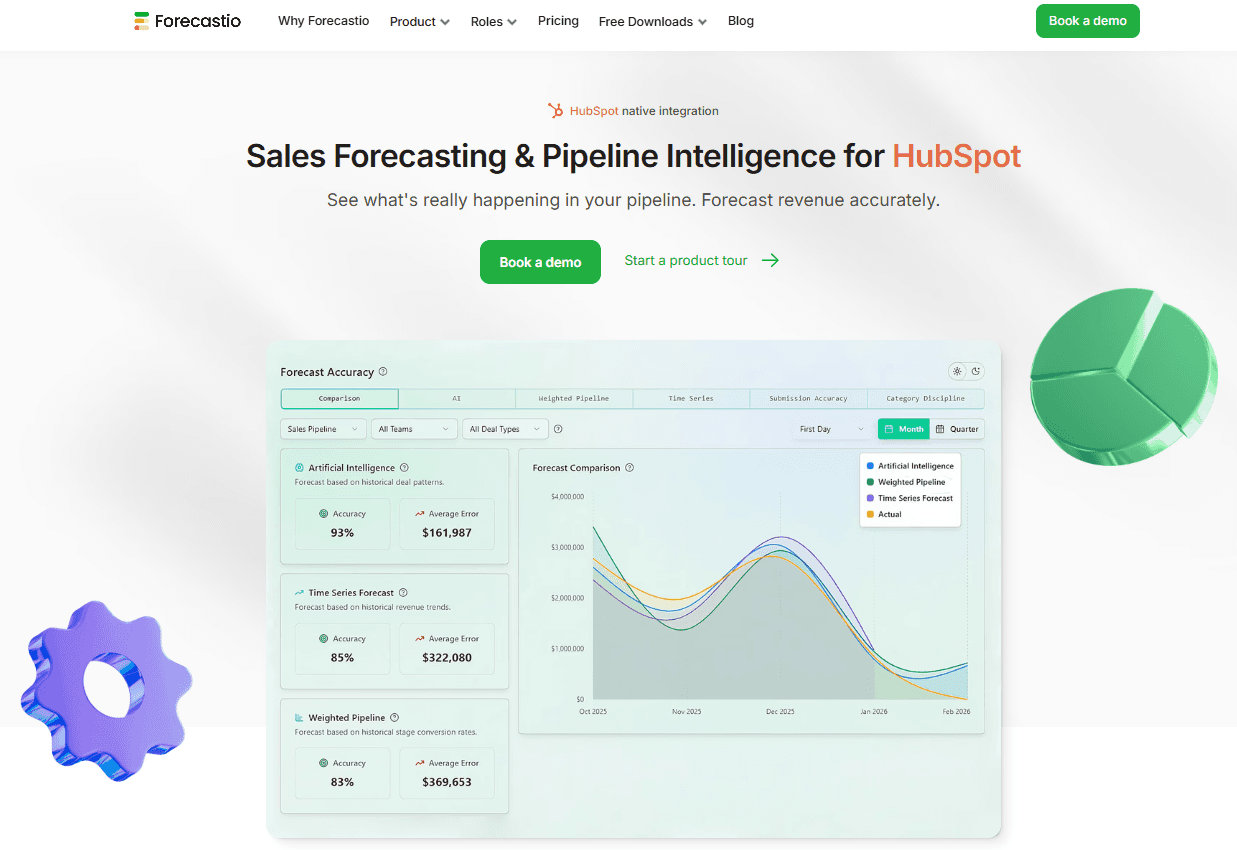
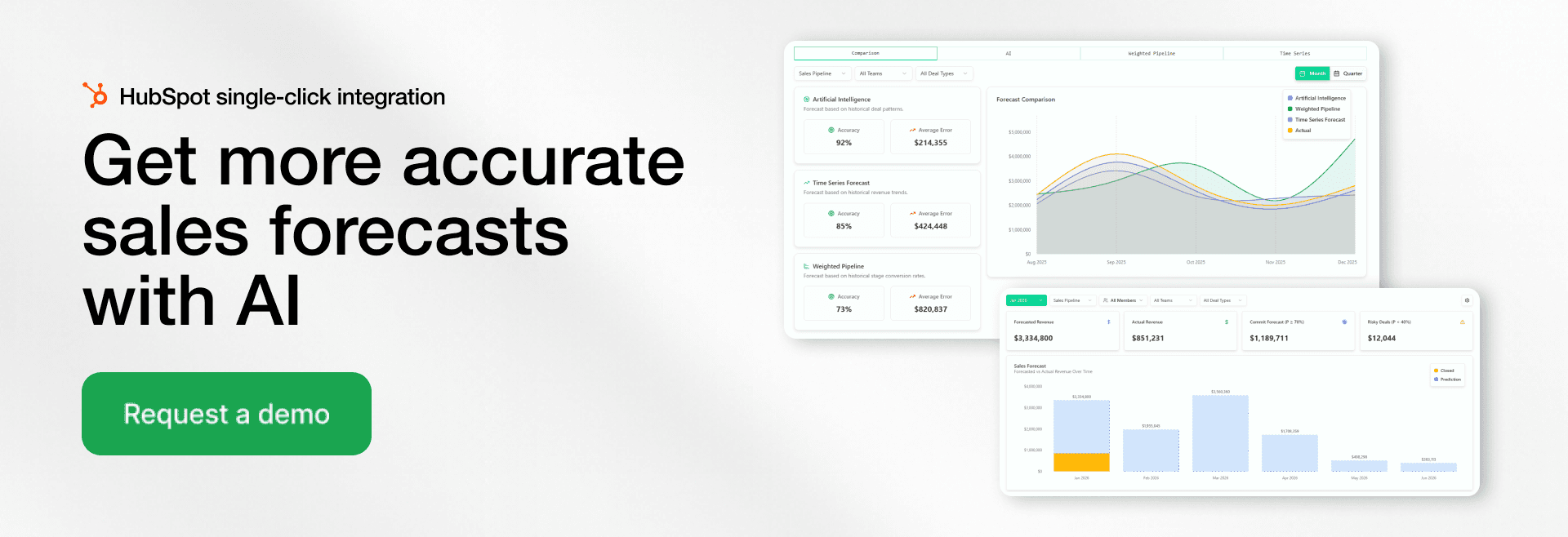
Forecastio.ai is a Revenue Intelligence and Sales Forecasting platform built specifically for HubSpot users. The platform helps sales leaders and RevOps teams improve forecasting accuracy, gain visibility into forecast changes, monitor pipeline health, identify risky deals and recommend next best actions. Also, the platform offers built-in AI agents like Forecast Review Agent, Forecast Accuracy Agent, and Deal Review Agent..
Unlike traditional CRM forecasting tools, Forecastio combines multiple forecasting methodologies, forecast submissions, audit trails, pipeline intelligence, and AI-driven analysis within a single platform.
While there are many vendors in the sales forecasting software category, Forecastio differentiates itself through the use of AI, machine learning, and AI agents that help improve forecast accuracy and identify revenue risks earlier.
Key Features
Weighted pipeline forecasting
Forecast categories and submissions
Forecast accuracy analysis
Forecast audit trail
Pipeline intelligence dashboards
Deal risk detection
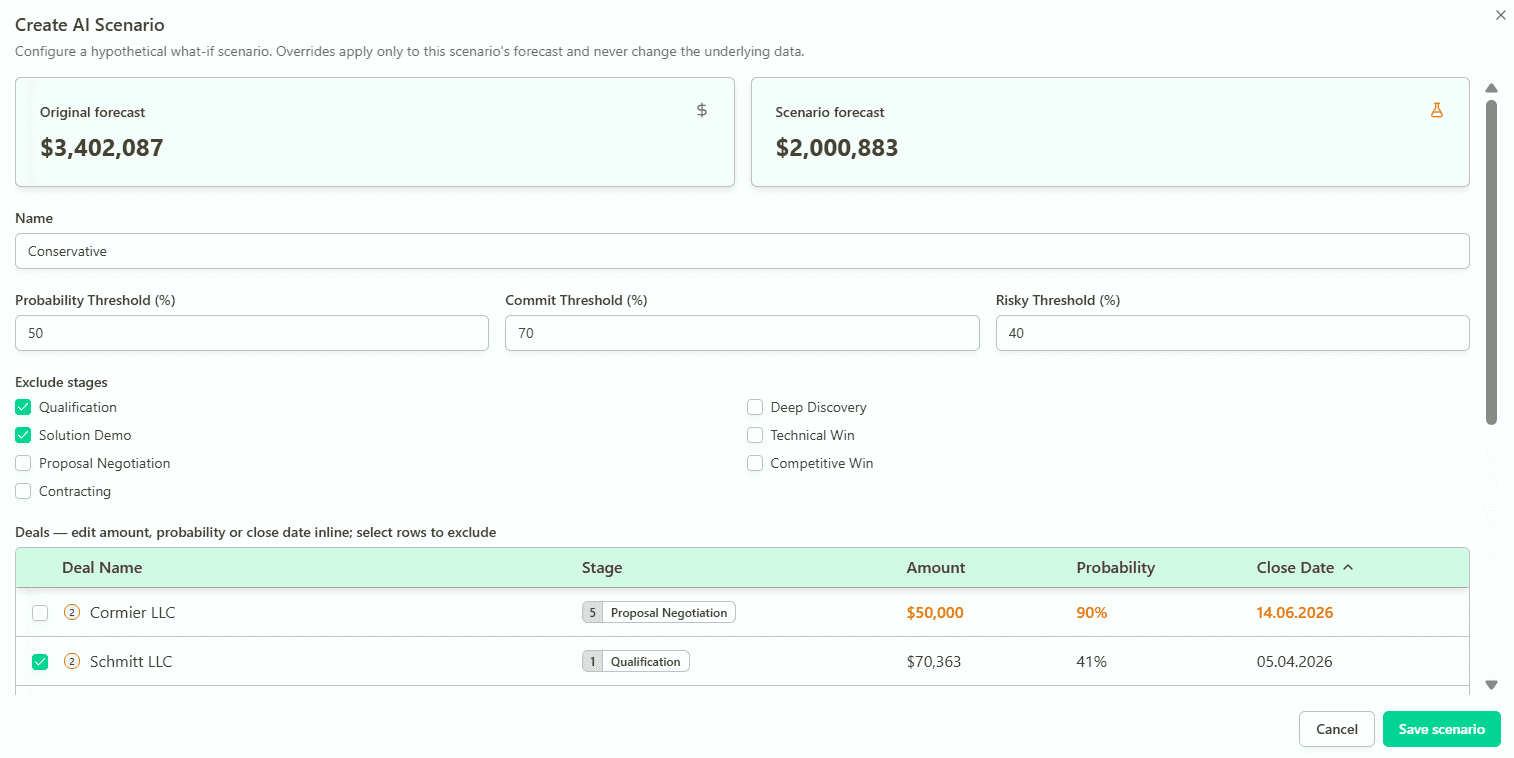
What-if scenario planning
Target management
AI agents for RevOps
AI Capabilities
Forecastio uses machine learning and predictive analytics to estimate deal win probabilities, generate sales forecasts, identify pipeline risks, detect forecast changes, and provide recommendations for improving forecast quality and rescuing at-risk opportunities. AI-powered deal intelligence helps sales leaders understand which opportunities require attention, why they are at risk, and what actions can be taken to improve the chances of closing them successfully.
Pros
Multiple forecasting methodologies
Strong focus on forecasting accuracy
Detailed forecast audit trail
Advanced pipeline analytics
Built-in AI agents
Deep HubSpot integration
Cons
Currently supports HubSpot only
Smaller ecosystem than enterprise competitors
Pricing
Starts at $249 per month.
Clari
Overview
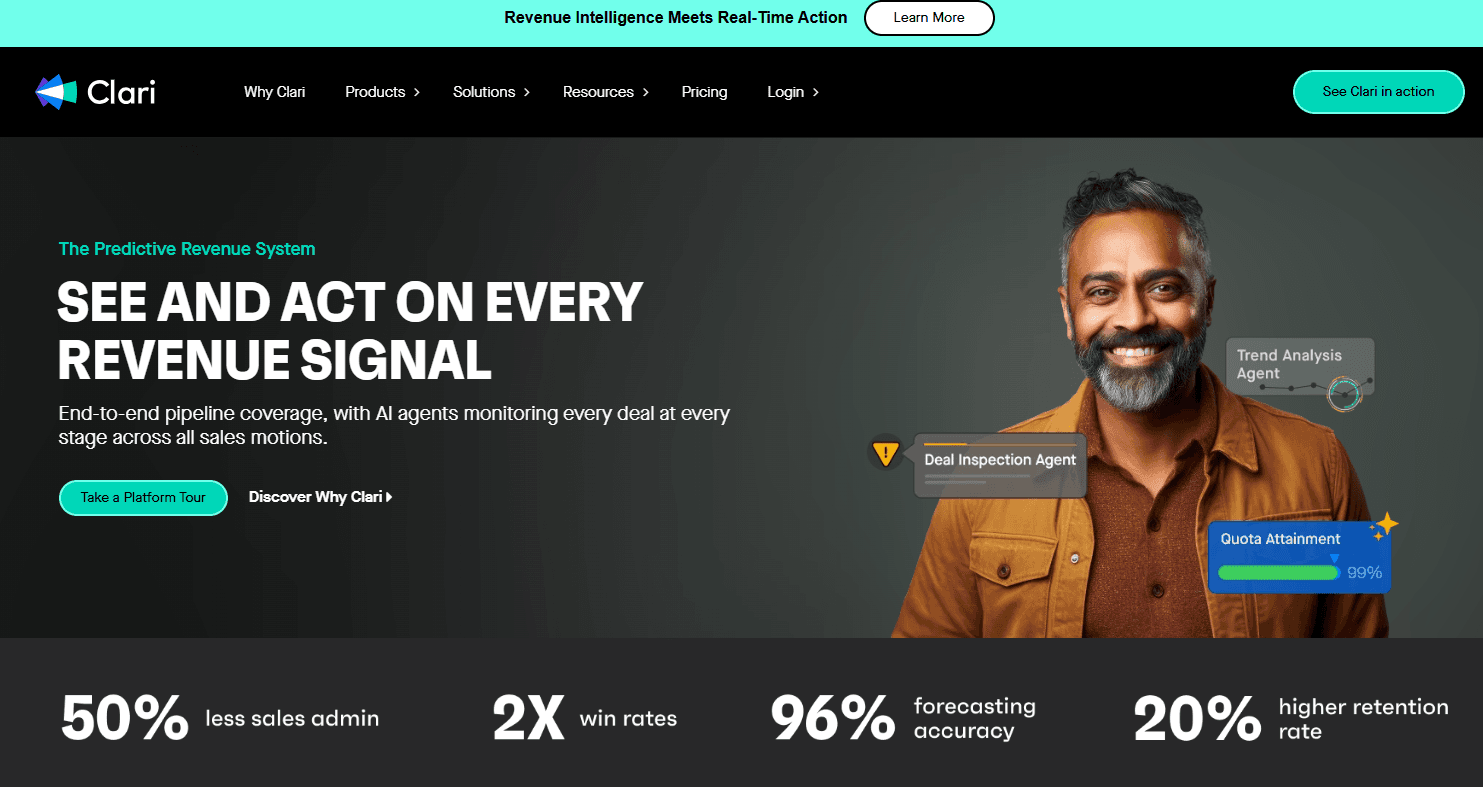
Clari is one of the most recognized Revenue Operations and Revenue Intelligence platforms designed for mid-sized and enterprise sales organizations. The platform helps revenue teams improve forecasting accuracy, monitor pipeline health, identify revenue risks, and gain visibility into the entire revenue process.
Unlike traditional CRM systems that primarily store data, Clari continuously analyzes pipeline activity, deal changes, sales engagement, and forecast trends to help revenue leaders make better decisions.
Key Features
AI-powered sales forecasting
Pipeline inspection and management
Revenue cadence management
Deal risk identification
Revenue analytics and reporting
Executive dashboards
AI Capabilities
Clari uses artificial intelligence to analyze historical sales performance, pipeline trends, deal progression patterns, and seller behavior. The platform can identify deals at risk, predict revenue outcomes, and highlight forecast gaps.
Pros
Strong forecasting capabilities
Strong pipeline visibility
Enterprise-grade functionality
Advanced revenue analytics
Cons
Expensive for smaller companies
Implementation can take time
Requires good CRM data quality
Pricing
Custom pricing available upon request.
Aviso
Overview
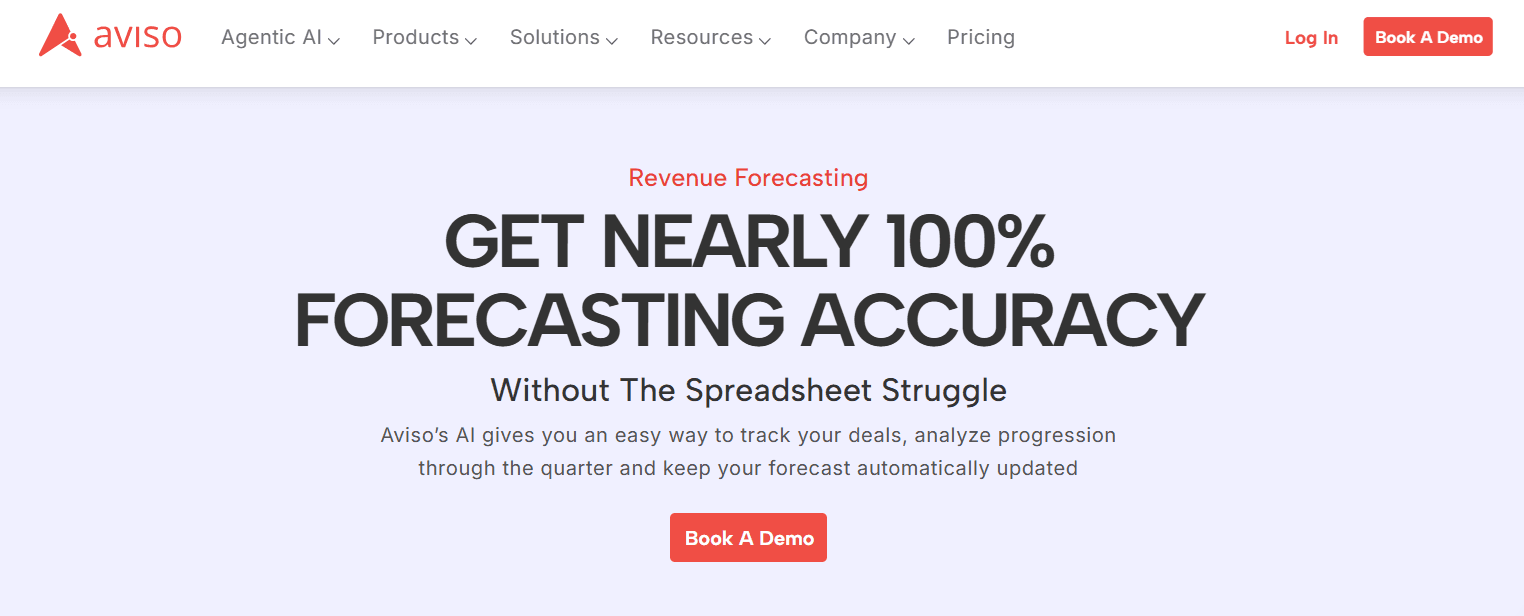
Aviso AI is a revenue intelligence platform focused on sales forecasting, pipeline management, deal inspection, and revenue execution. It helps RevOps and sales leaders understand where the forecast stands, which deals are at risk, and what actions are needed to improve revenue predictability.
Aviso is especially relevant for larger sales organizations that need AI-driven forecasting, pipeline visibility, and revenue planning across teams, regions, and business units.
Key Features
AI sales forecasting
Pipeline inspection
Revenue planning
Conversation intelligence
Relationship intelligence
Sales engagement insights
Executive revenue dashboards
AI Capabilities
Aviso uses AI to predict revenue outcomes, identify risky deals, analyze pipeline movement, surface forecast gaps, and recommend actions for sales teams and managers. Its AI assistant can help revenue leaders ask questions about pipeline, forecasts, deals, and performance.
Pros
Strong AI forecasting capabilities
Broad revenue intelligence functionality
Useful for complex enterprise sales teams
Combines forecasting, deal intelligence, and pipeline analysis
Cons
Better suited for mid-market and enterprise teams
Pricing is not transparent
May require a more structured sales process to get full value
Pricing
Custom pricing.
Revenue Grid
Overview
Revenue Grid is a Revenue Operations platform focused on forecasting, pipeline management, sales execution, and customer engagement analysis. It helps revenue teams identify risks, improve forecasting accuracy, and automate sales processes.
The platform combines forecasting, deal intelligence, and activity capture into a single solution.
Key Features
Revenue forecasting
Deal management
Pipeline inspection
Activity capture
Revenue analytics
Sales engagement tracking
AI Capabilities
Revenue Grid uses AI to analyze pipeline trends, predict deal outcomes, and identify risks.
Pros
Strong forecasting focus
Good pipeline visibility
Useful deal intelligence features
Comprehensive revenue management
Cons
Smaller market presence than Clari or Gong
Enterprise-oriented implementation
Pricing
Starting from $149 user/month
Gong
Overview
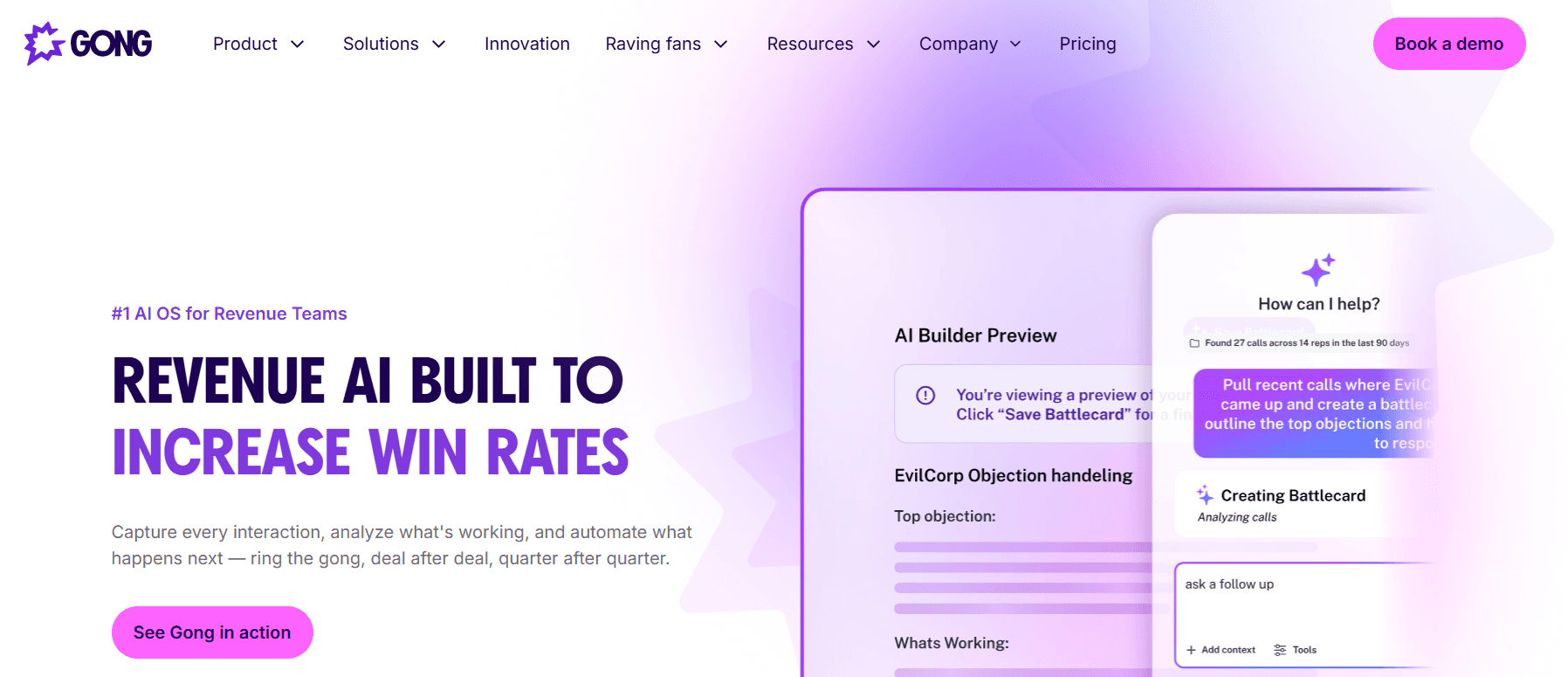
Gong is one of the most widely adopted Revenue Intelligence platforms on the market. Originally known for conversation intelligence, Gong has expanded into forecasting, pipeline management, deal inspection, and revenue execution.
The platform captures customer interactions across calls, meetings, emails, and other communication channels, then uses AI to identify patterns that impact deal success, forecast accuracy, and overall revenue performance.
For many organizations, Gong serves as the central source of truth for understanding what is happening inside active opportunities and why deals are won, lost, or delayed.
Key Features
Conversation intelligence
Call recording and transcription
Deal intelligence
Pipeline inspection
Revenue forecasting
Sales coaching
Revenue analytics
Executive dashboards
AI Capabilities
Gong uses AI to analyze customer conversations, identify buying signals, detect deal risks, monitor stakeholder engagement, summarize meetings, surface competitive mentions, and predict deal outcomes.
Pros
Market leader in conversation intelligence
Excellent deal inspection capabilities
Strong coaching and performance insights
Helps improve forecast accuracy
Rich activity and engagement data
Cons
Premium pricing
Can generate large volumes of data and alerts
Forecasting capabilities are not as specialized as dedicated forecasting platforms
Requires broad adoption by sales teams to maximize value
Pricing
Custom pricing.
Chorus by ZoomInfo
Overview
Chorus is a conversation intelligence platform that records, analyzes, and evaluates customer interactions to help revenue teams improve sales performance and pipeline visibility.
The platform provides insights into customer conversations, helping managers coach sellers and improve deal execution.
Key Features
Call recording
Conversation intelligence
Coaching tools
Deal inspection
Meeting analysis
Activity tracking
AI Capabilities
Chorus automatically transcribes conversations, identifies key topics, tracks customer sentiment, highlights risks, and surfaces coaching opportunities.
Pros
Strong conversation analysis
Useful coaching insights
Good deal visibility
Established platform
Cons
Less comprehensive than Gong in some areas
Limited revenue management capabilities
Pricing
Custom pricing.
Attention
Overview
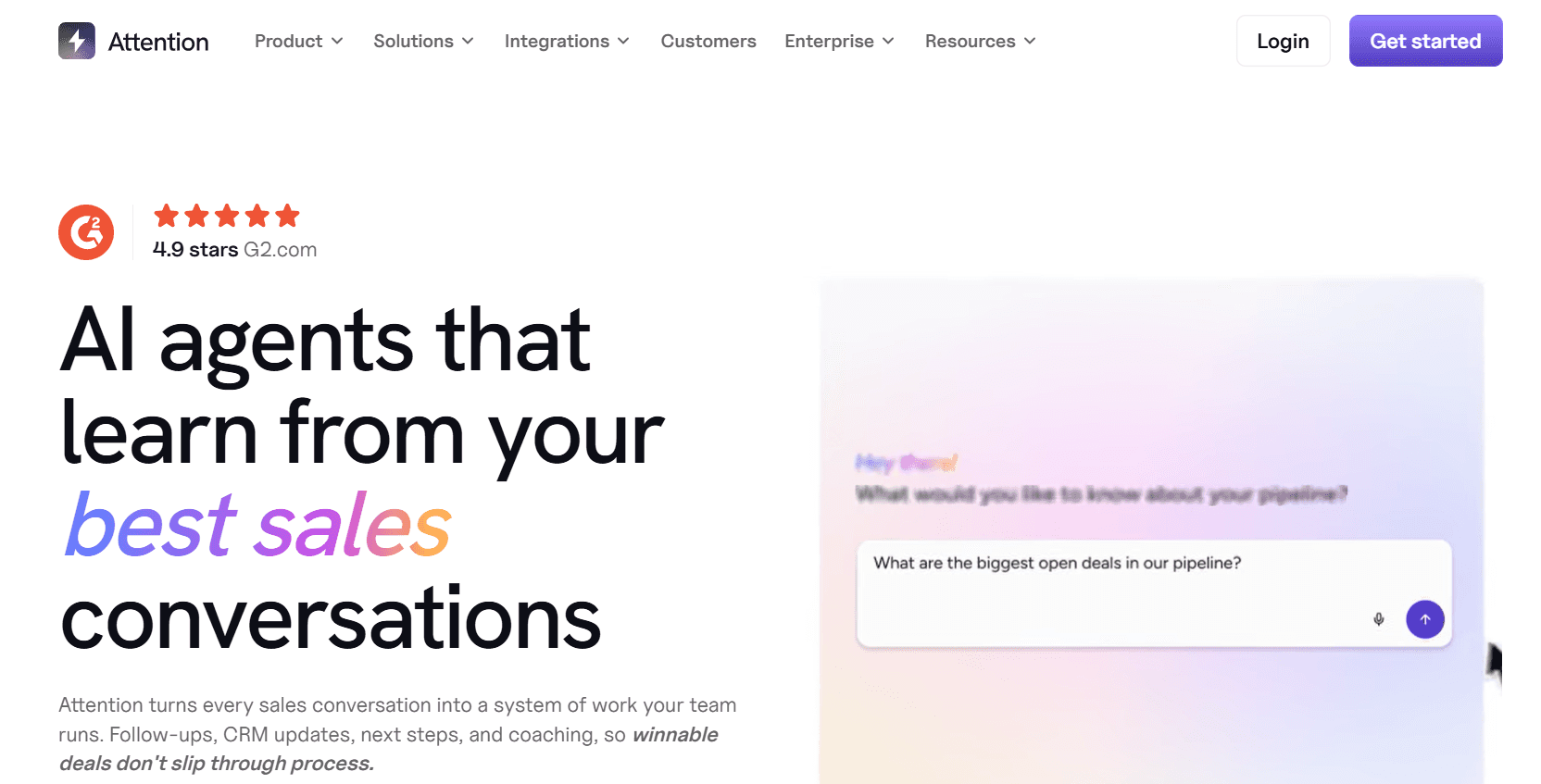
Attention is an AI-powered sales assistant that automates CRM updates, meeting summaries, and sales coaching workflows. It helps sales teams spend less time on administration and more time selling.
The platform is designed to increase productivity and improve CRM data quality.
Key Features
Call recording
Meeting summaries
CRM automation
Action item generation
Coaching recommendations
Sales analytics
AI Capabilities
Attention automatically transcribes calls, generates summaries, updates CRM records, extracts action items, and identifies coaching opportunities.
Pros
Saves significant administrative time
Improves CRM hygiene
Easy implementation
Cons
Limited revenue management capabilities
Focused primarily on sales execution
Pricing
Custom pricing.
Salesforce Einstein AI
Overview
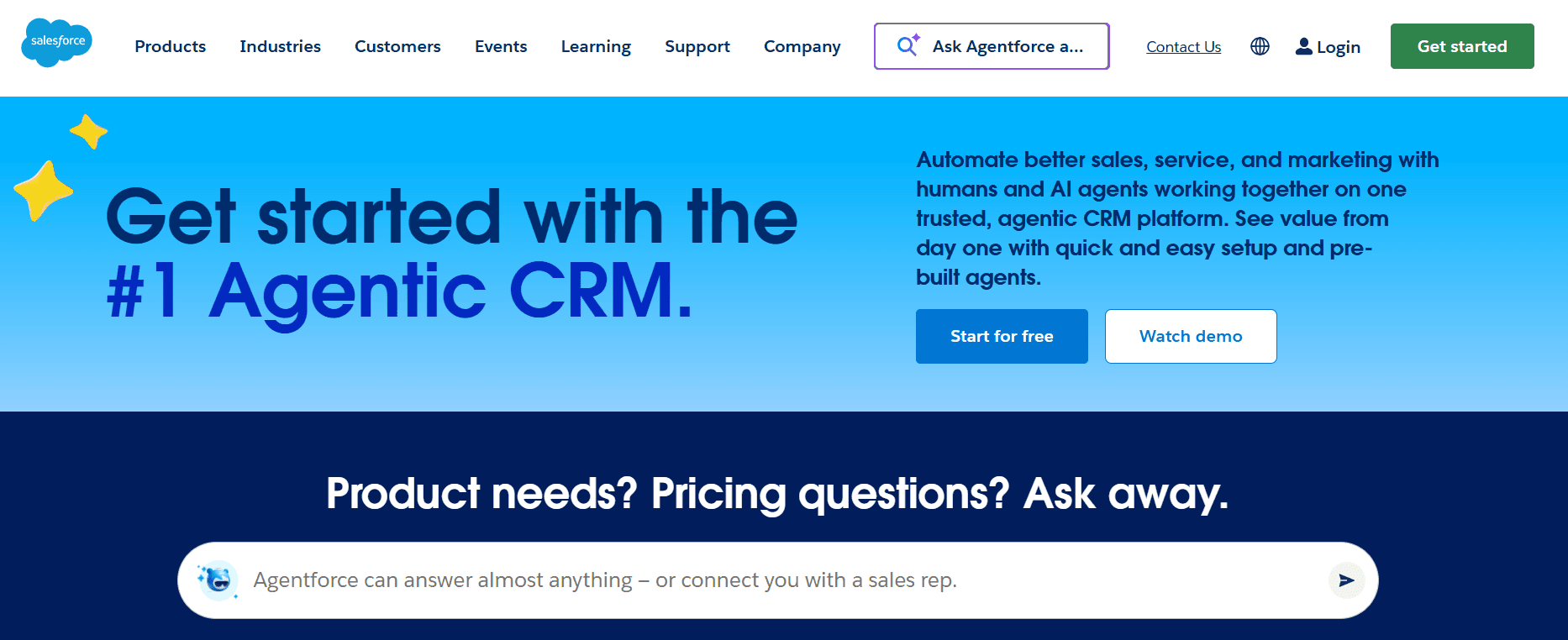
Salesforce Einstein AI is the artificial intelligence layer built into the Salesforce ecosystem. It helps sales, marketing, customer service, and revenue operations teams automate repetitive tasks, improve forecasting accuracy, prioritize opportunities, and generate insights from CRM data.
For organizations already using Salesforce, Einstein AI provides a native way to introduce AI-driven automation without implementing additional platforms.
Key Features
Predictive lead scoring
Opportunity scoring
Sales forecasting
Pipeline analysis
Automated CRM updates
AI-generated summaries
Next-best-action recommendations
Revenue analytics
AI Capabilities
Einstein AI analyzes CRM activity, customer engagement, historical sales performance, and opportunity data to predict deal outcomes, identify risks, recommend actions, and automate administrative work.
Pros
Native Salesforce integration
Broad AI functionality
Strong ecosystem
Cons
Requires Salesforce
Can become expensive
Some advanced features require premium licenses
Pricing
Included in selected Salesforce plans. Advanced AI features require additional licensing.
HubSpot Breeze AI
Overview
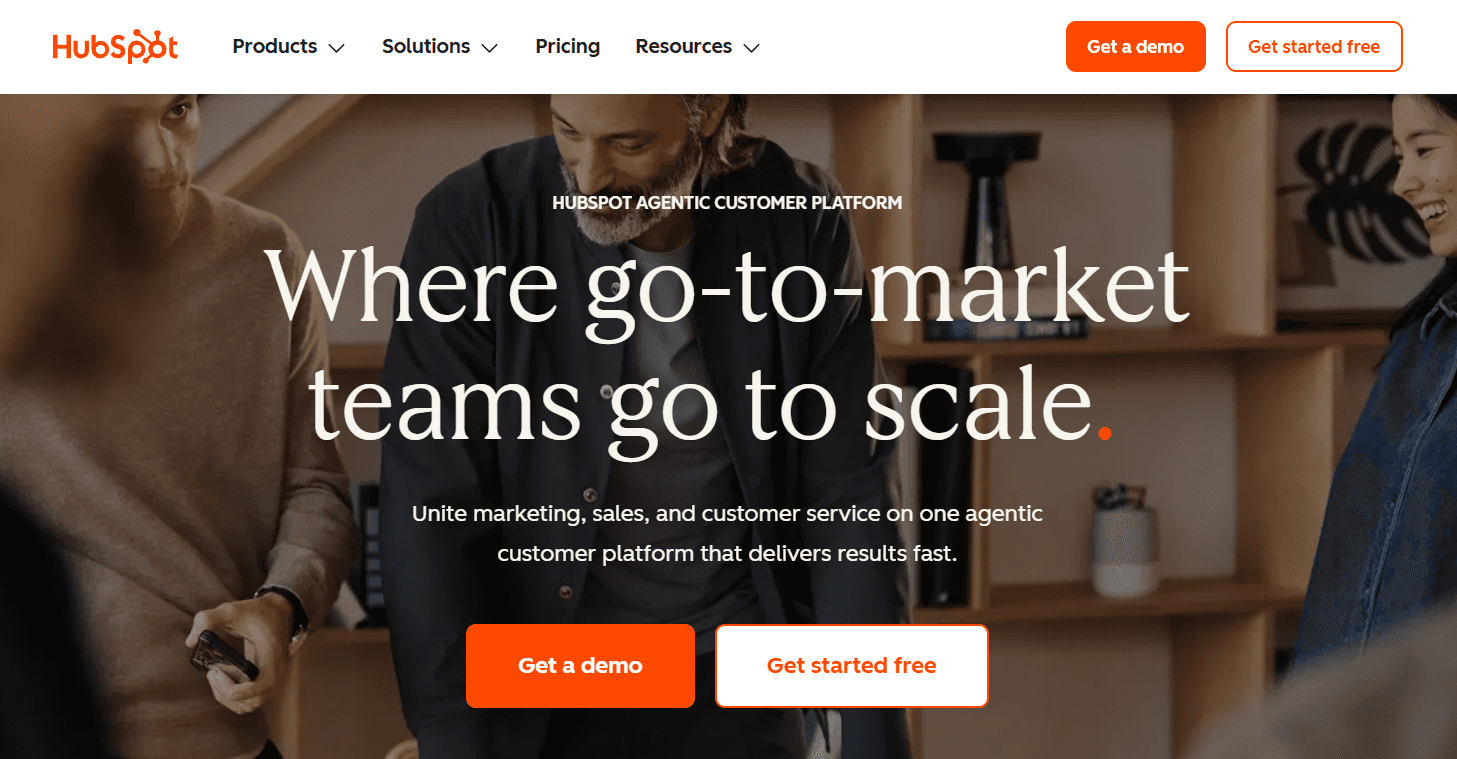
HubSpot Breeze AI is HubSpot's AI-powered automation framework designed to help sales, marketing, customer success, and RevOps teams improve productivity and automate routine tasks.
The platform combines CRM data, customer interactions, and workflow automation to generate insights and recommendations directly inside HubSpot.
Key Features
AI content generation
Lead scoring
Workflow automation
CRM enrichment
Customer support automation
Sales email generation
Reporting and analytics
AI Capabilities
Breeze AI can generate content, summarize records, recommend actions, prioritize leads, analyze customer interactions, and assist sales teams with prospecting and communication.
Pros
Native HubSpot integration
Easy to adopt
Broad functionality
Suitable for SMB and mid-market companies
Cons
Less advanced forecasting capabilities
Some features still evolving
Limited outside HubSpot ecosystem
Pricing
Included in HubSpot sales hub and other plans.
6sense
Overview
6sense is an AI-powered Revenue Intelligence and Account-Based Marketing platform that helps organizations identify in-market buyers, prioritize accounts, and improve revenue generation efforts.
The platform enables revenue teams to focus on accounts most likely to purchase while improving alignment between sales, marketing, and RevOps teams.
Key Features
Intent data
Account prioritization
Buyer journey tracking
Predictive analytics
Revenue intelligence
Pipeline generation
Audience segmentation
Campaign orchestration
AI Capabilities
6sense uses AI to identify buying signals, predict purchasing intent, score accounts, and recommend sales and marketing actions.
Pros
Excellent account prioritization
Strong predictive capabilities
Supports sales and marketing alignment
Enterprise-grade platform
Cons
Requires sufficient data volume
Learning curve for new users
Premium pricing
Pricing
Custom pricing.
ZoomInfo Copilot
Overview
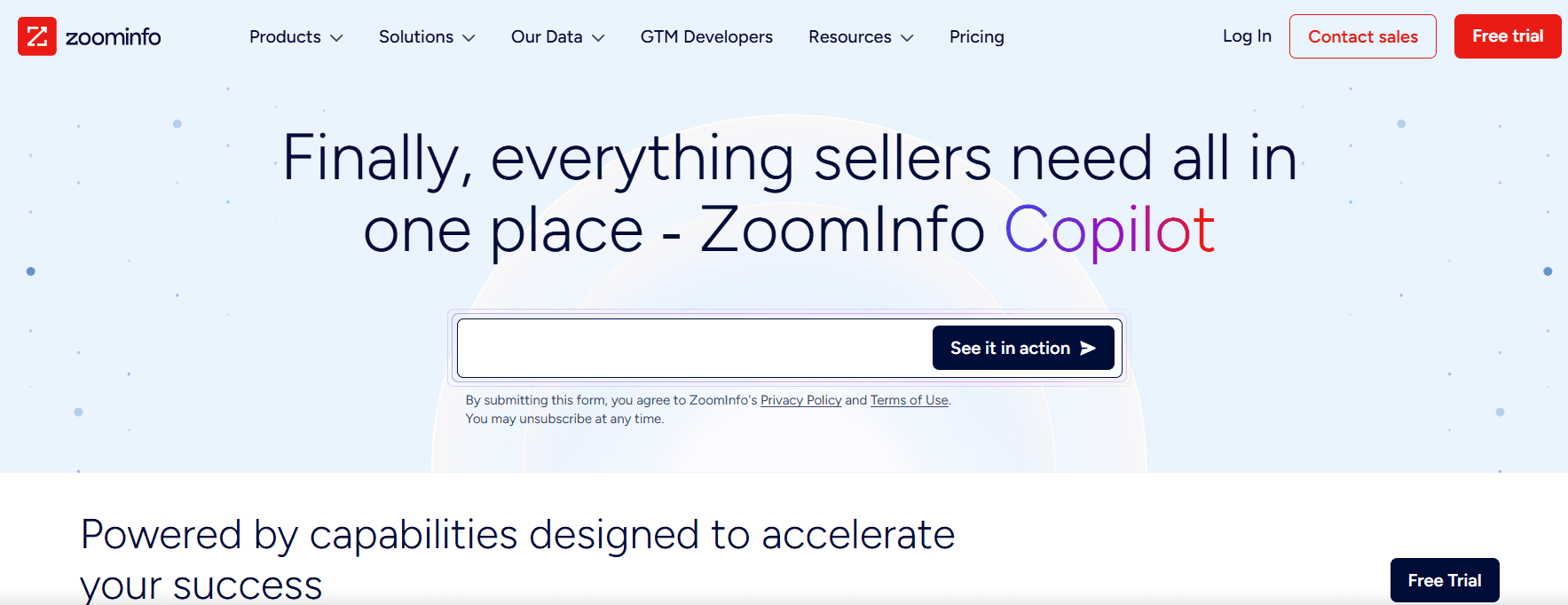
ZoomInfo Copilot is an AI-powered go-to-market assistant that helps sales and RevOps teams identify buying signals, prioritize accounts, automate research, and improve pipeline generation.
The platform combines ZoomInfo's database with AI-powered recommendations and workflow automation.
Key Features
Buyer intent monitoring
Account prioritization
Prospect research
Sales alerts
Pipeline generation
Contact intelligence
Automated account monitoring
AI Capabilities
ZoomInfo Copilot analyzes intent signals, company activity, hiring trends, technology changes, and engagement data to recommend the best accounts and contacts for sales teams.
Pros
Large B2B database
Strong buying intent data
Useful prospecting workflows
Easy integration with existing sales processes
Cons
Less focused on forecasting
Primarily supports top-of-funnel activities
Pricing
Custom pricing.
Common Room
Overview
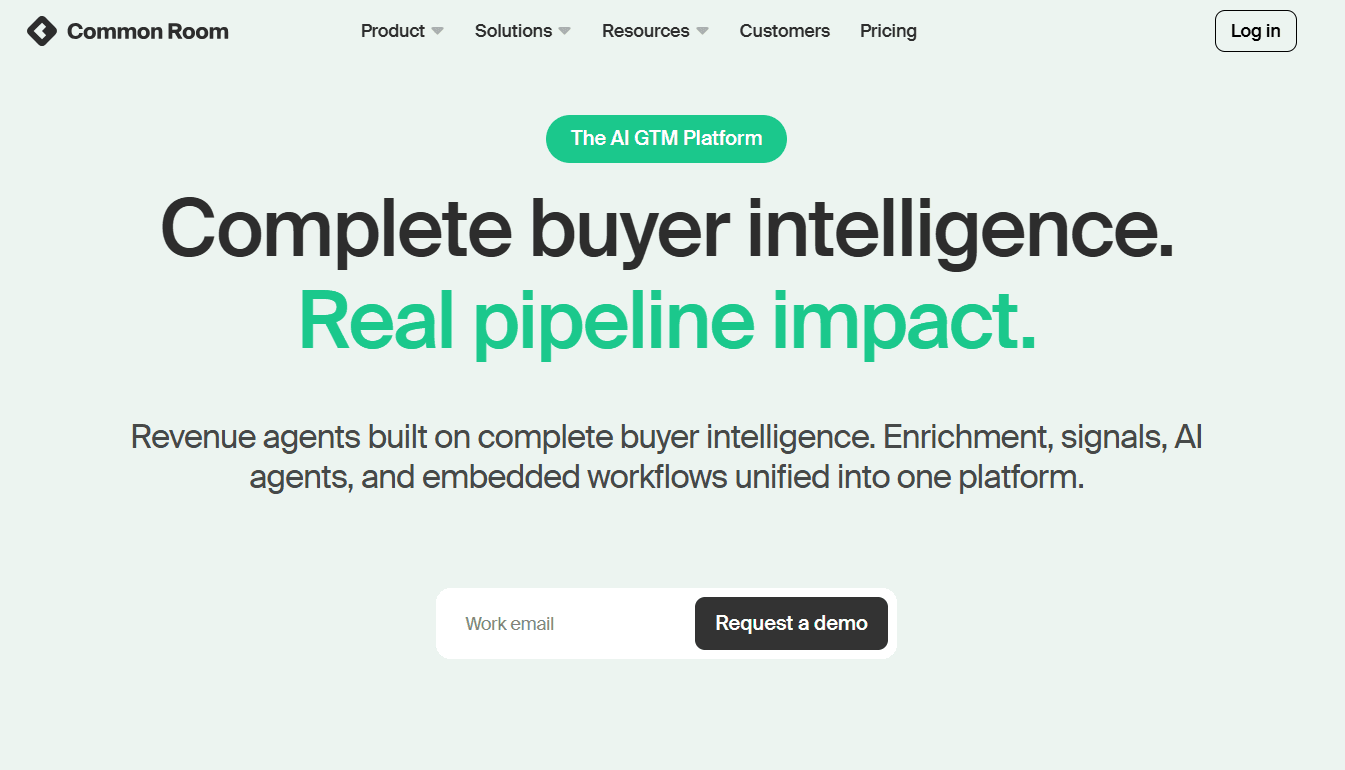
Common Room is an AI-powered customer intelligence and signal monitoring platform that helps revenue teams identify buying signals across multiple channels. The platform captures intent and engagement signals from websites, communities, social networks, product usage, and marketing activities.
It helps RevOps teams build signal-driven workflows instead of relying solely on form submissions and CRM records.
Key Features
Buying signal detection
Website visitor identification
Intent monitoring
Product usage tracking
Contact enrichment
Account intelligence
Workflow automation
AI Capabilities
Common Room uses AI to identify anonymous visitors, detect buying intent, surface revenue opportunities, prioritize accounts, and recommend actions based on engagement signals.
Pros
Excellent signal intelligence
Strong account prioritization
Supports modern GTM motions
Works across multiple data sources
Cons
Newer category for many organizations
Requires adoption of signal-based selling processes
Pricing
Starts at 2,100$ per month
Clay
Overview
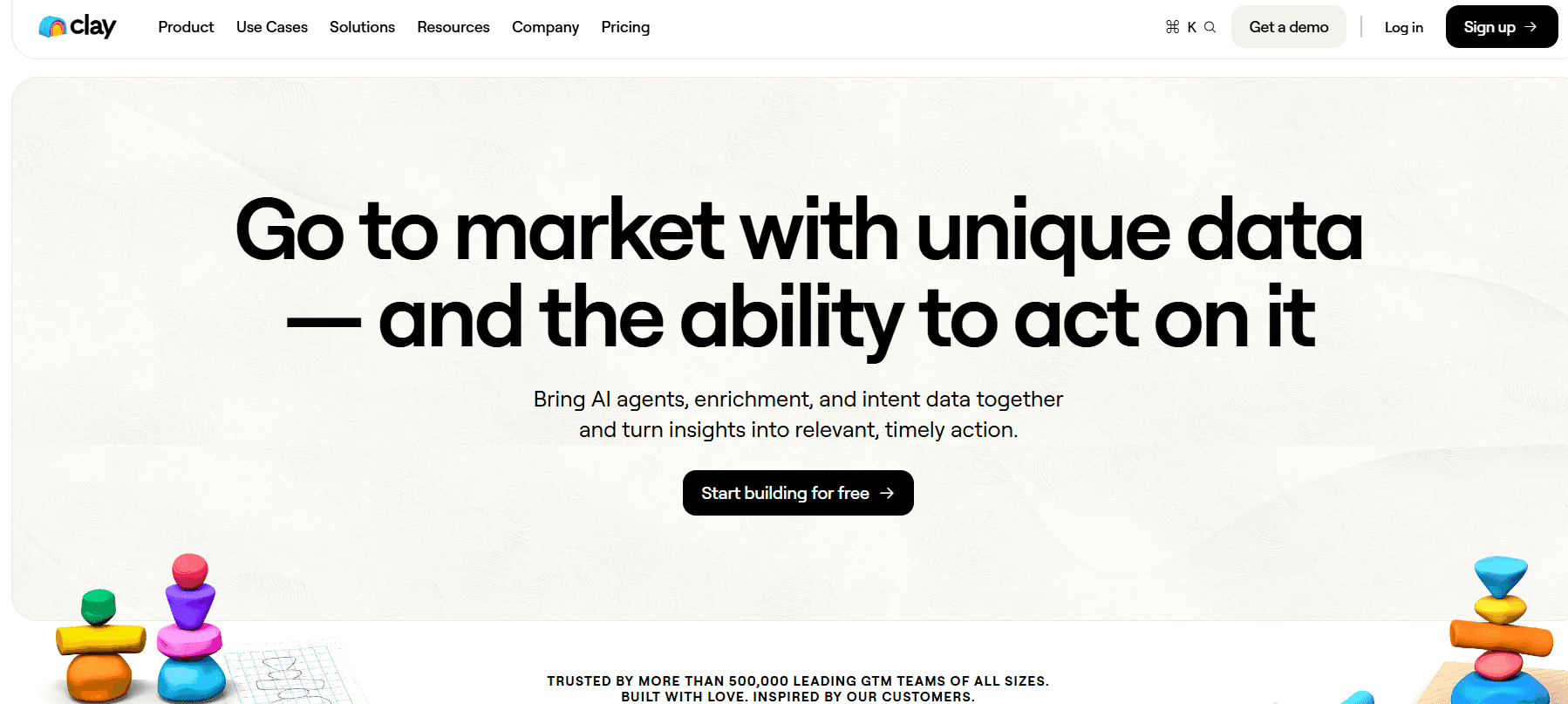
Clay is one of the fastest-growing AI-powered prospecting and enrichment platforms. It enables revenue teams to automate account research, contact enrichment, lead qualification, and personalized outreach preparation.
Many modern RevOps teams use Clay as a central automation layer connecting multiple data providers and AI models.
Key Features
Data enrichment
Contact discovery
Workflow automation
Prospect research
Lead qualification
Personalized outreach preparation
CRM synchronization
AI Capabilities
Clay uses AI to research prospects, summarize companies, identify buying signals, generate personalized messaging, enrich records, and automate repetitive prospecting tasks.
Pros
Extremely flexible
Powerful automation capabilities
Reduces manual prospecting work
Supports many data providers
Cons
Requires setup and workflow design
Can become complex for beginners
Pricing
Free plan available. Paid plans start from approximately $149/month.
Outreach
Overview
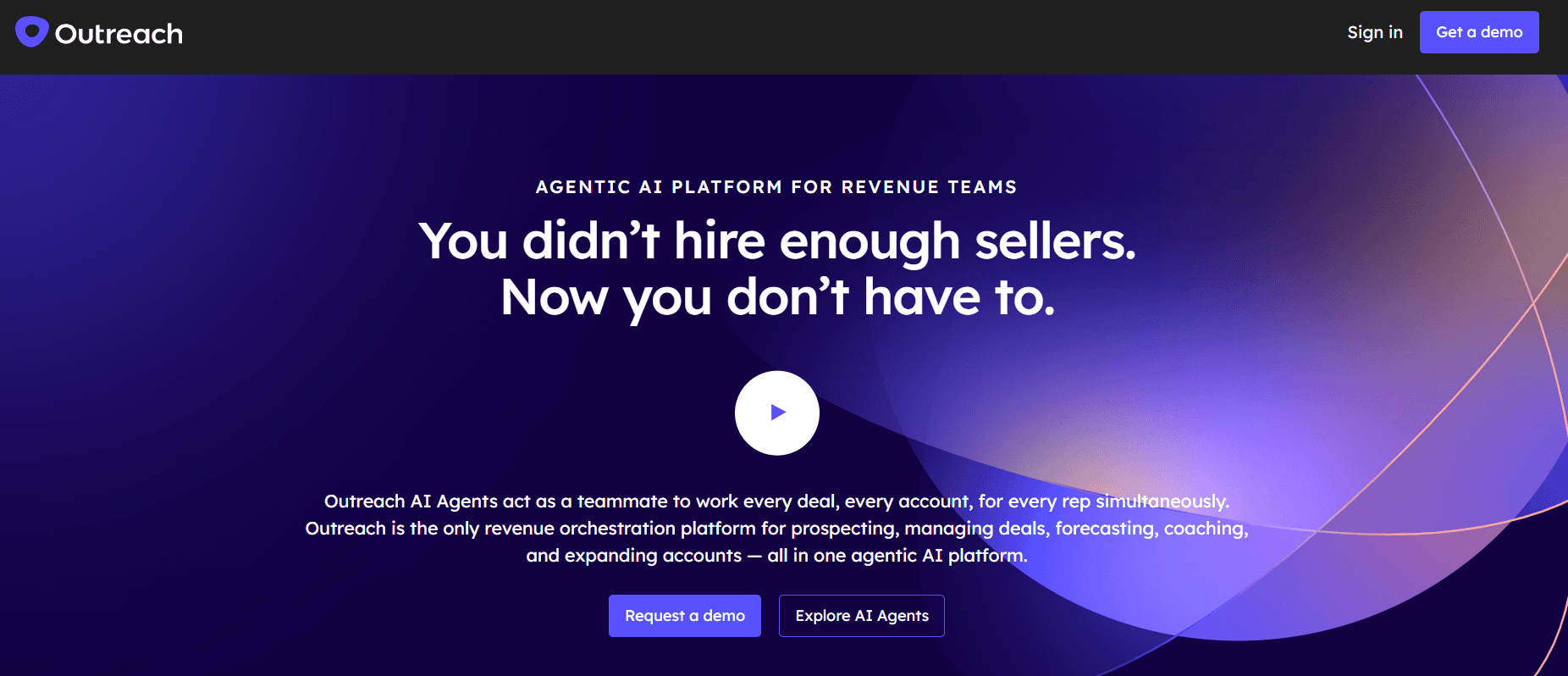
Outreach is a Sales Execution Platform designed to help revenue teams automate prospecting, engagement, pipeline management, and forecasting activities. The platform enables sales organizations to standardize sales processes, improve productivity, and increase revenue predictability.
Outreach is commonly used by mid-market and enterprise sales teams that want to automate repetitive sales tasks while providing better visibility into pipeline health.
Key Features
Sales engagement sequences
Pipeline management
Deal inspection
Opportunity management
Sales workflows
Coaching and performance tracking
AI Capabilities
Outreach uses AI to identify deal risks, prioritize opportunities, recommend next actions, and analyze sales activities. The platform can also generate content suggestions and automate parts of the sales workflow.
Pros
Strong sales automation capabilities
Excellent workflow management
Cons
Complex implementation
Can be expensive for smaller teams
Requires process discipline to maximize value
Pricing
Custom pricing.
Apollo.io
Overview
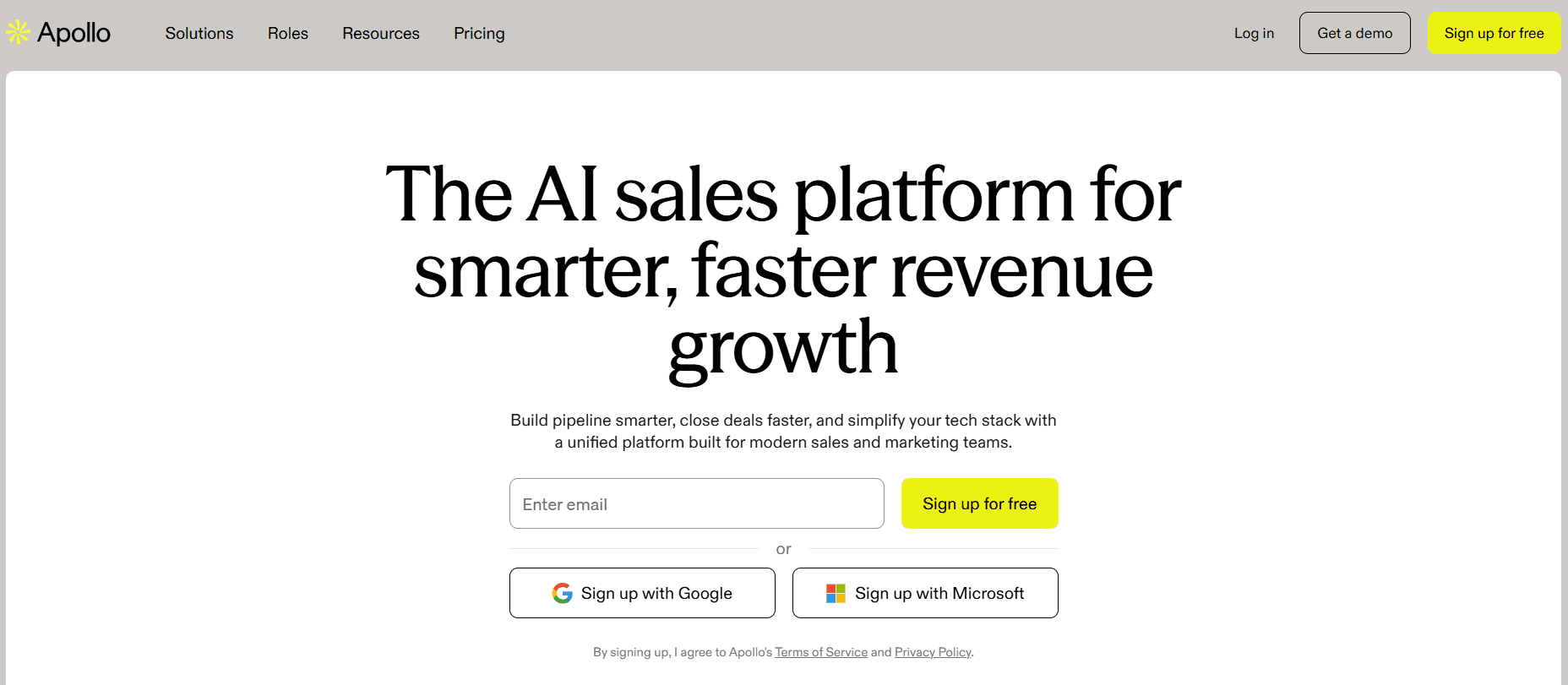
Apollo.io is a sales intelligence and engagement platform that helps revenue teams automate prospecting, lead generation, outreach, and account research. It combines a large B2B contact database with automation tools and AI-powered workflows.
The platform is especially valuable for sales development teams and growing organizations focused on pipeline generation.
Key Features
Prospect database
Sales engagement
Email automation
Lead enrichment
Account intelligence
Sequence management
Contact discovery
Pipeline generation
AI Capabilities
Apollo uses AI to generate emails, recommend prospects, enrich contact data, prioritize leads, and optimize outreach campaigns.
Pros
Large contact database
Strong prospecting capabilities
Affordable compared to enterprise competitors
Easy to implement
Cons
Primarily focused on top-of-funnel activities
Pricing
Free plan available. Paid plans start around $59 per user per month.
How to Choose an AI Solution for Revenue Operations
Not all AI platforms solve the same problem. Some focus on forecasting and revenue intelligence, while others specialize in prospecting, conversation intelligence, buyer intent, CRM automation, or workflow execution.
When evaluating AI solutions for revenue operations, keep the following process:
1. Define Your Primary Goal
Start by identifying the biggest challenge you want to solve. Some platforms specialize in forecasting and pipeline visibility, while others focus on prospecting, customer engagement, sales execution, or workflow automation.
2. Evaluate Integration Capabilities
The most effective AI solutions connect seamlessly with your existing technology stack. Look for platforms that integrate with your CRM, ERP, billing, and marketing systems to ensure consistent data flow across all revenue processes.
3. Assess Data Quality
Artificial intelligence depends on reliable data. Incomplete CRM records, duplicate contacts, and disconnected systems can reduce the effectiveness of AI models and recommendations.
4. Consider AI Capabilities
Not all AI is created equal. Some platforms provide basic automation, while others use machine learning, predictive analytics, and AI agents to identify risks, generate insights, and recommend next actions.
5. Evaluate Ease of Adoption
A powerful platform only delivers value if teams actually use it. Consider implementation effort, onboarding requirements, training needs, and long-term maintenance before making a decision.
6. Think Beyond Current Requirements
Your needs will evolve as your business grows. Choose a solution that can support future use cases such as advanced forecasting, revenue intelligence, AI agents for RevOps, and workflow automation.
7. Calculate Expected ROI
Finally, evaluate how the platform can improve operational efficiency, reduce manual work, accelerate deal cycles, and support revenue growth. The best solution is not always the one with the most features but the one that delivers measurable business impact.
When evaluating vendors, look beyond features alone. The most effective solutions fit naturally into existing processes, connect with multiple systems, and help teams make faster, more informed decisions.
As AI continues to evolve, many organizations are also evaluating AI agents for RevOps. These agents can monitor pipelines, review forecasts, identify risks, improve data hygiene, and recommend actions without requiring manual analysis. If AI agents are part of your long-term strategy, consider whether the platform provides agent capabilities today or has a clear roadmap for future development.
Conclusion
Artificial intelligence is quickly becoming a core part of modern revenue management. The best AI Solutions for Automating Revenue Operations help organizations improve visibility, automate repetitive tasks, eliminate inefficiencies, and make more informed decisions across the entire customer journey.
Whether your goal is improving forecasting, optimizing pipeline health, increasing operational efficiency, strengthening customer retention, or gaining deeper revenue analytics, there is now a wide range of platforms designed to support those objectives.
The most successful organizations are not simply adopting new technology. They are using AI to connect customer data, reduce friction between teams, improve data hygiene, and create a more unified approach to growth. Many are also exploring AI agents for RevOps that can proactively monitor performance, identify risks, and recommend or even complete actions before problems impact revenue.
As the market continues to evolve, companies that invest in the right combination of automation, intelligence, and execution capabilities will be better positioned to improve revenue outcomes, accelerate revenue growth, and make faster, more confident decisions.
The key is to choose a solution that aligns with your business goals, integrates with your existing technology stack, and provides the capabilities your teams need today while supporting future growth.
FAQs
What are AI agents for revenue operations?
AI agents for RevOps are intelligent software agents that can monitor performance, analyze data, identify risks, and recommend actions automatically. Unlike traditional dashboards, AI agents actively evaluate business conditions and help teams improve forecasting, sales pipeline management, data quality, and sales execution.
Many organizations now implement AI agents to automate forecast reviews, monitor pipeline health, identify revenue risks, and improve decision-making across the revenue organization.
What is context-aware AI in revenue operations?
Context-aware AI uses information from multiple sources to provide more relevant recommendations and insights. Instead of analyzing a single metric, it considers factors such as CRM activity, pipeline changes, customer interactions, sales conversations, and historical performance to generate more accurate recommendations and predictions.
By connecting data across multiple revenue systems, context-aware AI can provide a more complete view of business performance.
What is an AI-driven revenue operations tool?
An AI-driven revenue operations tool uses artificial intelligence to automate tasks, analyze business data, and support decision-making across sales, marketing, and customer success. These platforms often include capabilities such as forecasting, lead scoring, opportunity analysis, workflow automation, and revenue analytics.
The right RevOps tools can help organizations reduce manual work while improving visibility and alignment across teams.
How to use AI for revenue operations?
Organizations can use AI to automate reporting, improve forecasting, optimize pipeline management, identify buying signals, improve customer engagement, and streamline internal processes. Many companies start with a specific use case such as forecasting or prospecting and gradually expand AI adoption across the broader revenue organization.
AI can also help shorten deal cycles by identifying risks earlier, prioritizing opportunities, and providing recommendations that help teams move deals forward more effectively.
What is AI-powered revenue operations (RevOps)?
AI-powered revenue operations is an approach that uses artificial intelligence to improve how companies manage sales, marketing, and customer success activities. By combining automation, analytics, and machine learning, organizations can reduce manual work, improve visibility, and make more informed decisions throughout the revenue lifecycle.
Many companies also extend AI capabilities beyond sales and marketing by supporting customer success teams with retention insights, expansion opportunities, and customer health monitoring.
Which AI tools help improve sales forecasting?
Several platforms provide advanced forecasting capabilities, including Forecastio, Clari, Aviso AI, Revenue Grid, and Salesforce Einstein AI. These solutions use predictive analytics, historical performance, pipeline data, and AI models to help organizations improve forecast accuracy and identify potential risks earlier.
Can small revenue teams benefit from AI solutions?
Yes. Modern AI platforms are no longer limited to large enterprises. Many solutions are designed for growing companies and smaller teams that want to improve efficiency, automate repetitive tasks, reduce manual data entry, and gain better visibility into performance. The right solution can help smaller organizations scale operations without significantly increasing headcount.
Share: